Fact & Fiction
A documentary about war, loss, memory and the desire to give history a different ending.
And history moved on...
After the war, and after experiences in the camps that were sometimes horrific, people watched the Dutch East Indies give way to an independent Indonesia. For many, this also meant losing the country in which they had been born and raised. Friends found themselves on opposing sides. The old order disappeared. Some continued to hope that history might still take a different course.
Photographer and cameraman
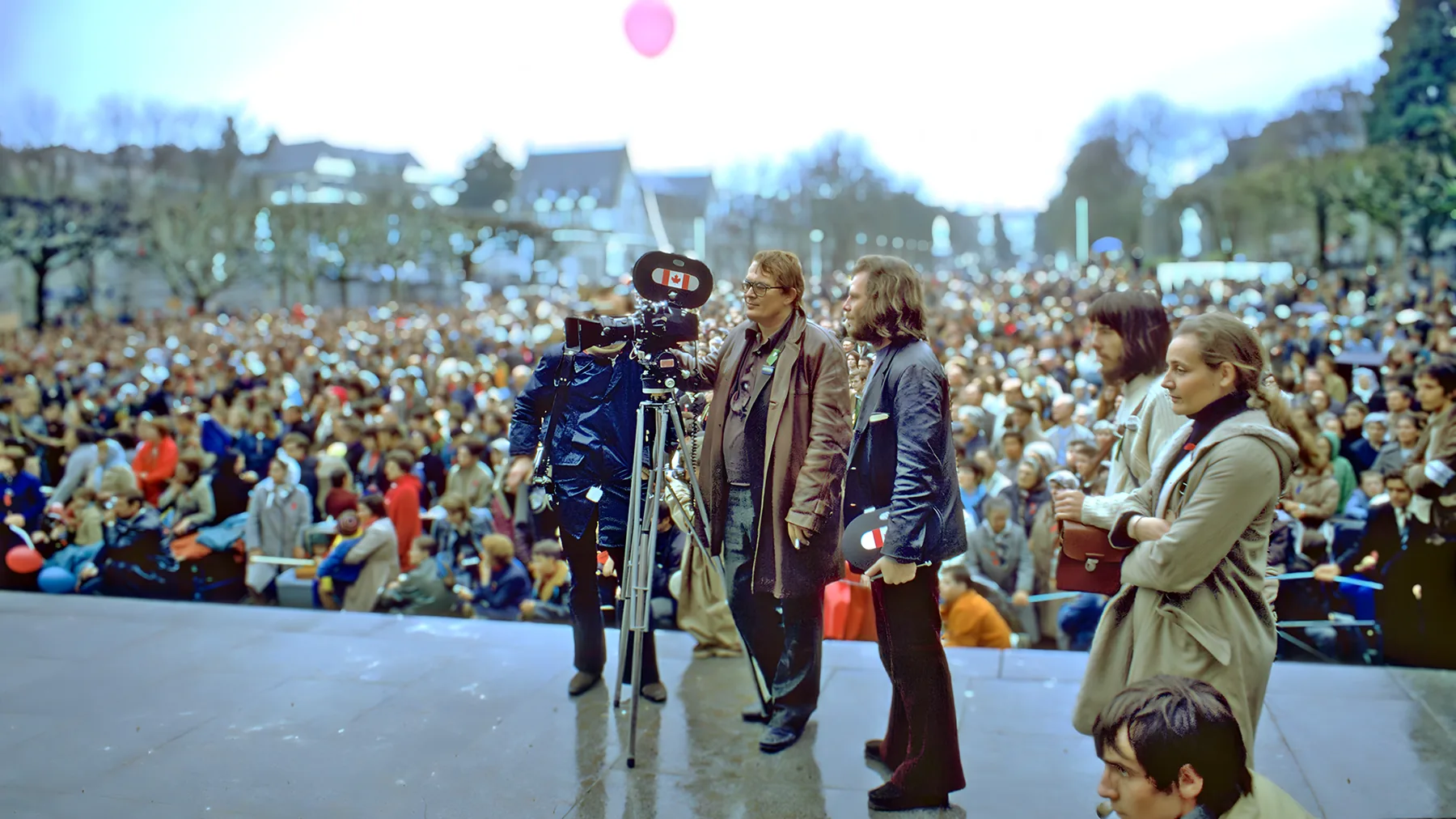
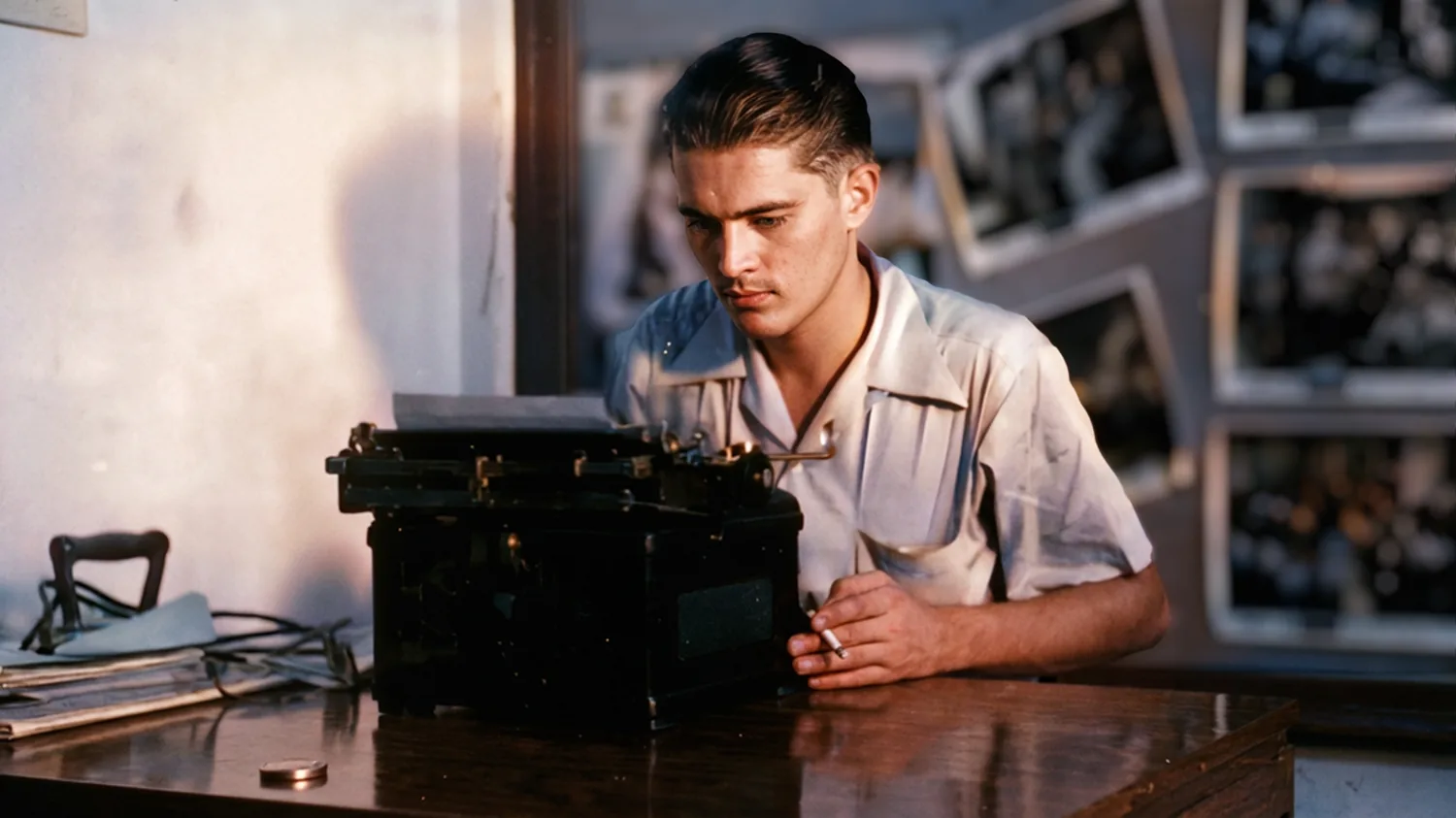
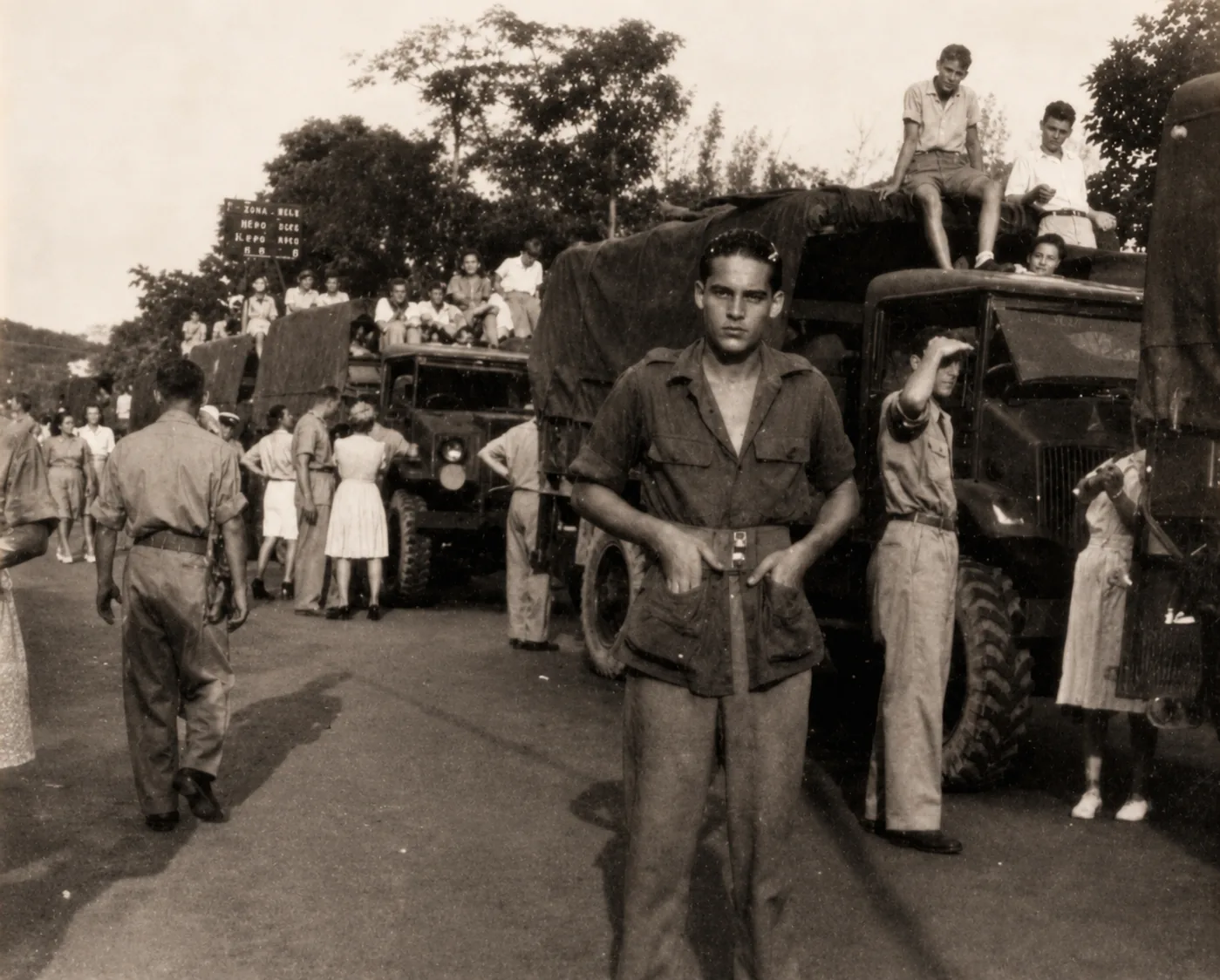
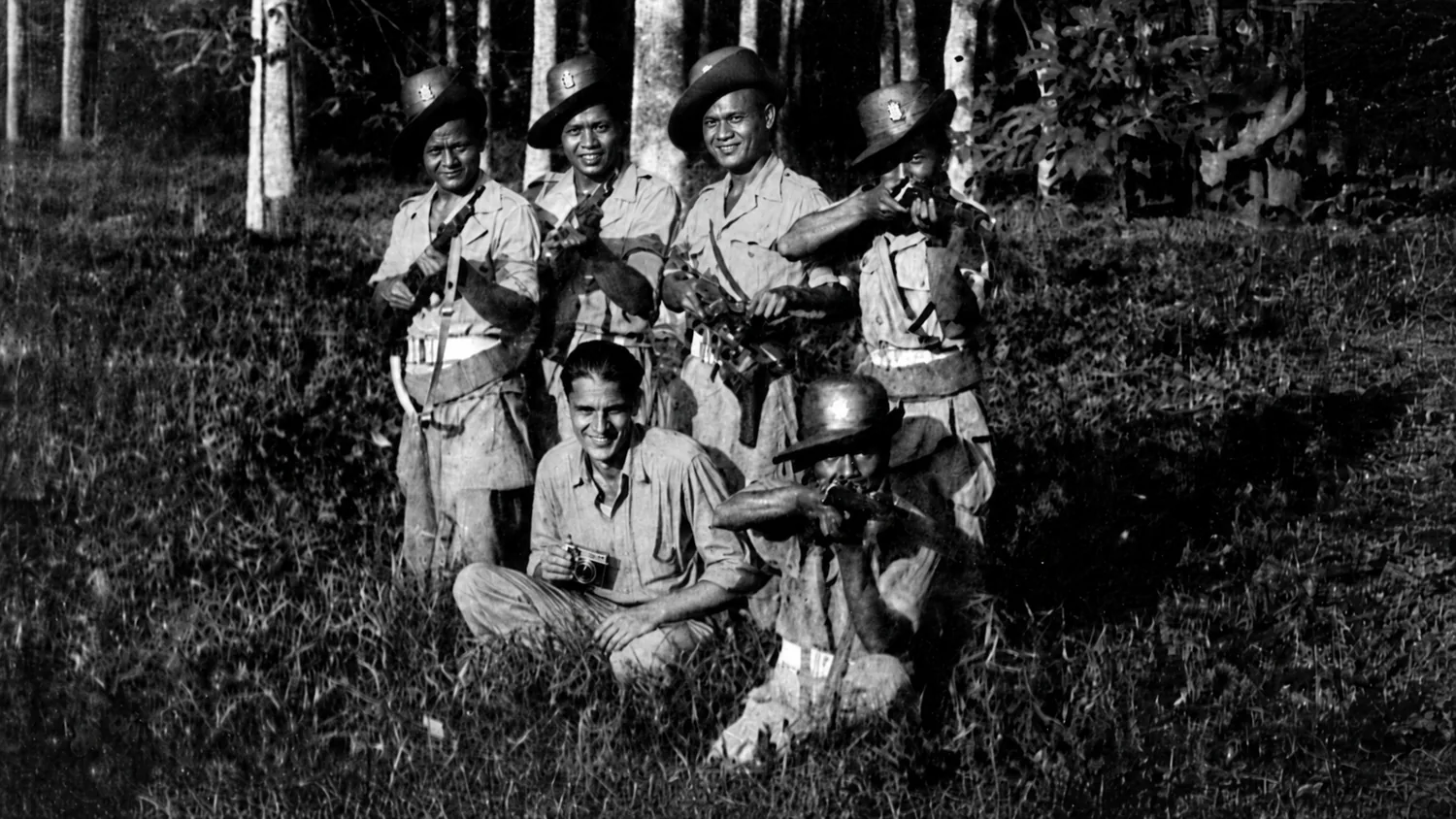
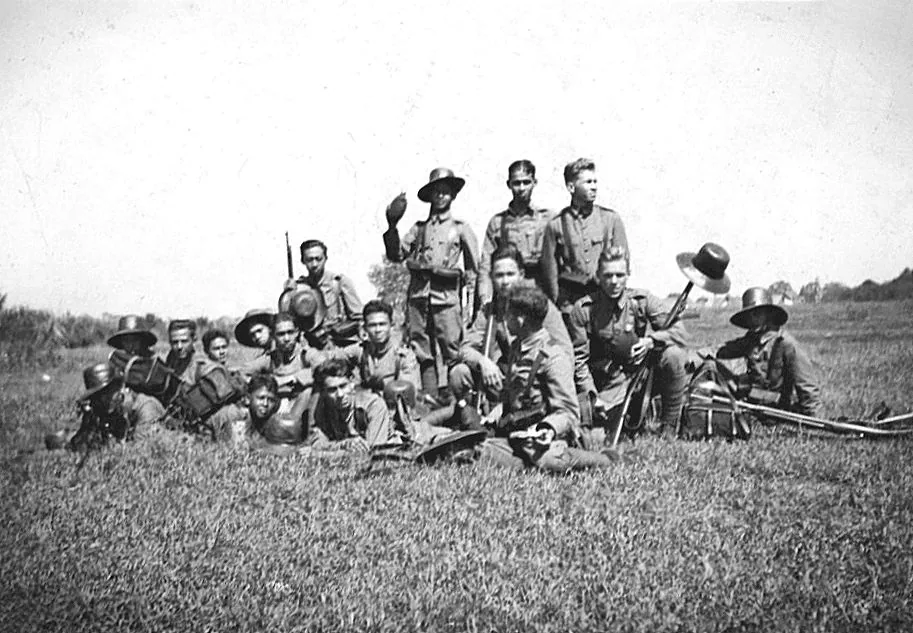
Bob came from a family that had lived and worked in the Dutch East Indies for generations. After a difficult period in the camps, Bob van Rouveroy joined the Royal Netherlands East Indies Army, the KNIL, after the war. His mother had died in the camp, and one of his brothers had barely survived. His sisters and father eventually left for the Netherlands. Bob stayed behind, enlisted and became a photographer and cameraman.
A family caught in the maelstrom of history
In the run-up to the transfer of the Dutch East Indies to the newly formed government of Soekarno and Hatta, numerous political and military confrontations took place. The Netherlands resisted, among other things through two major military offensives. Only after intense international pressure, including from the United States, was sovereignty finally transferred at the end of 1949.
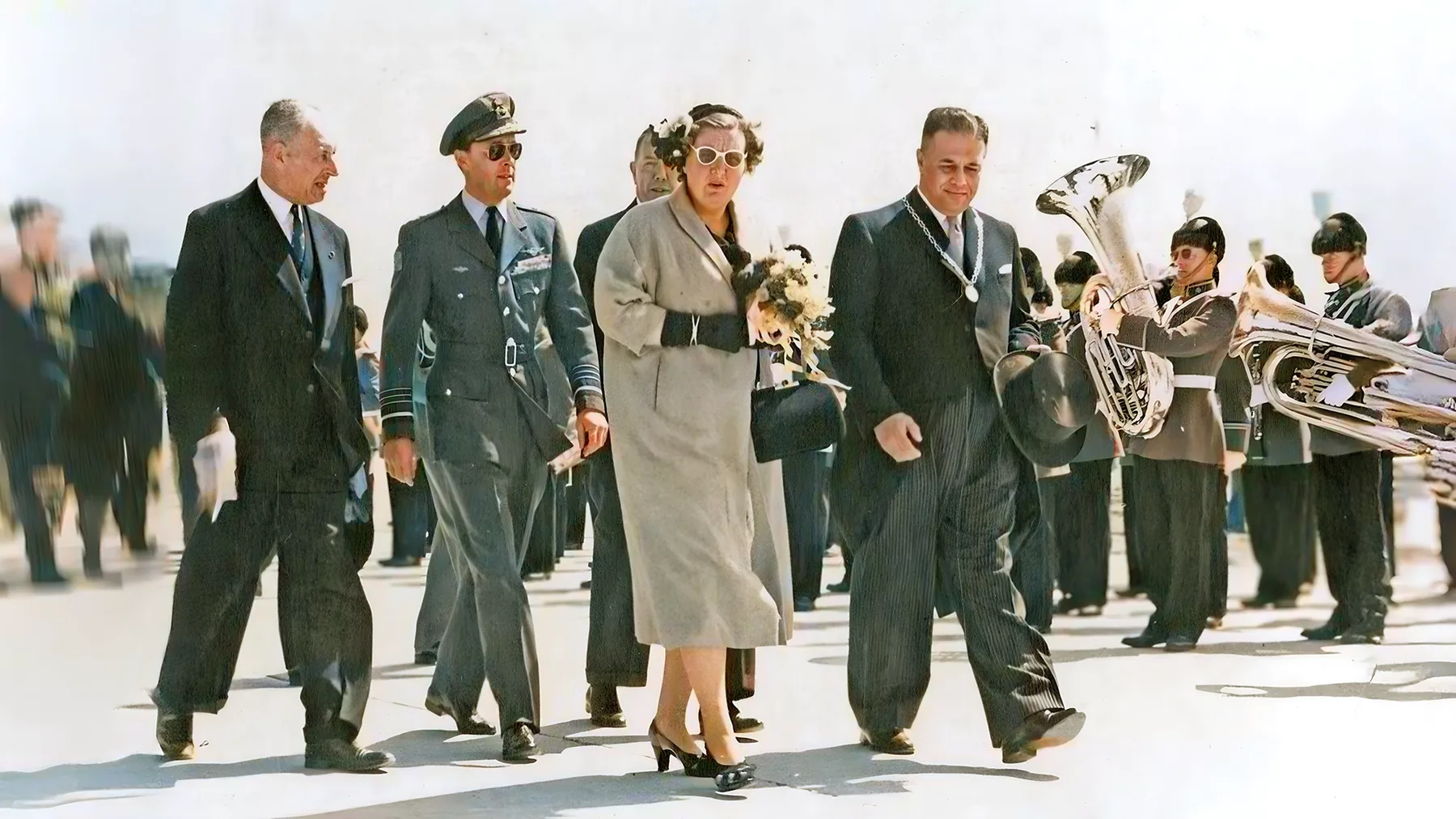
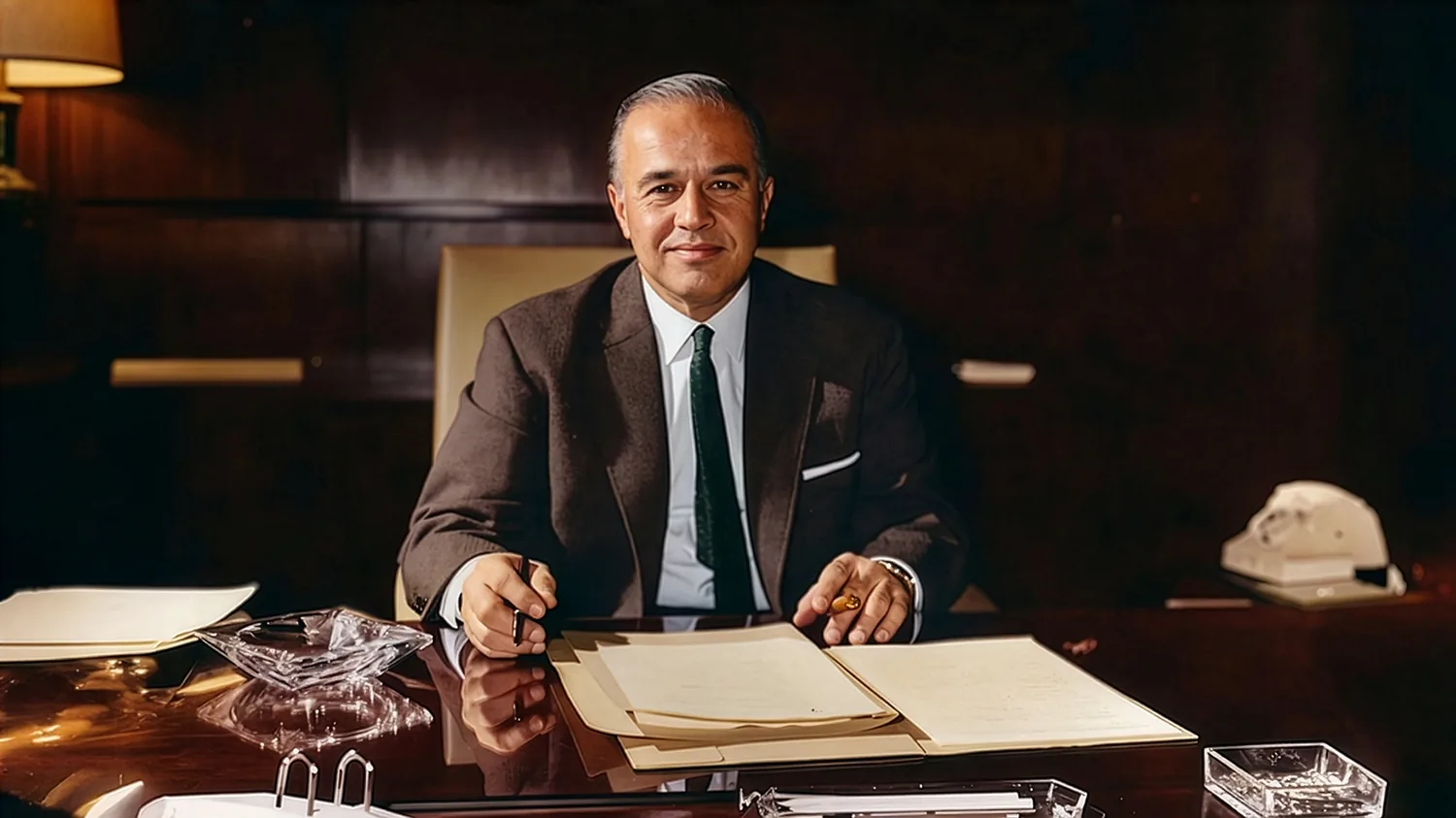
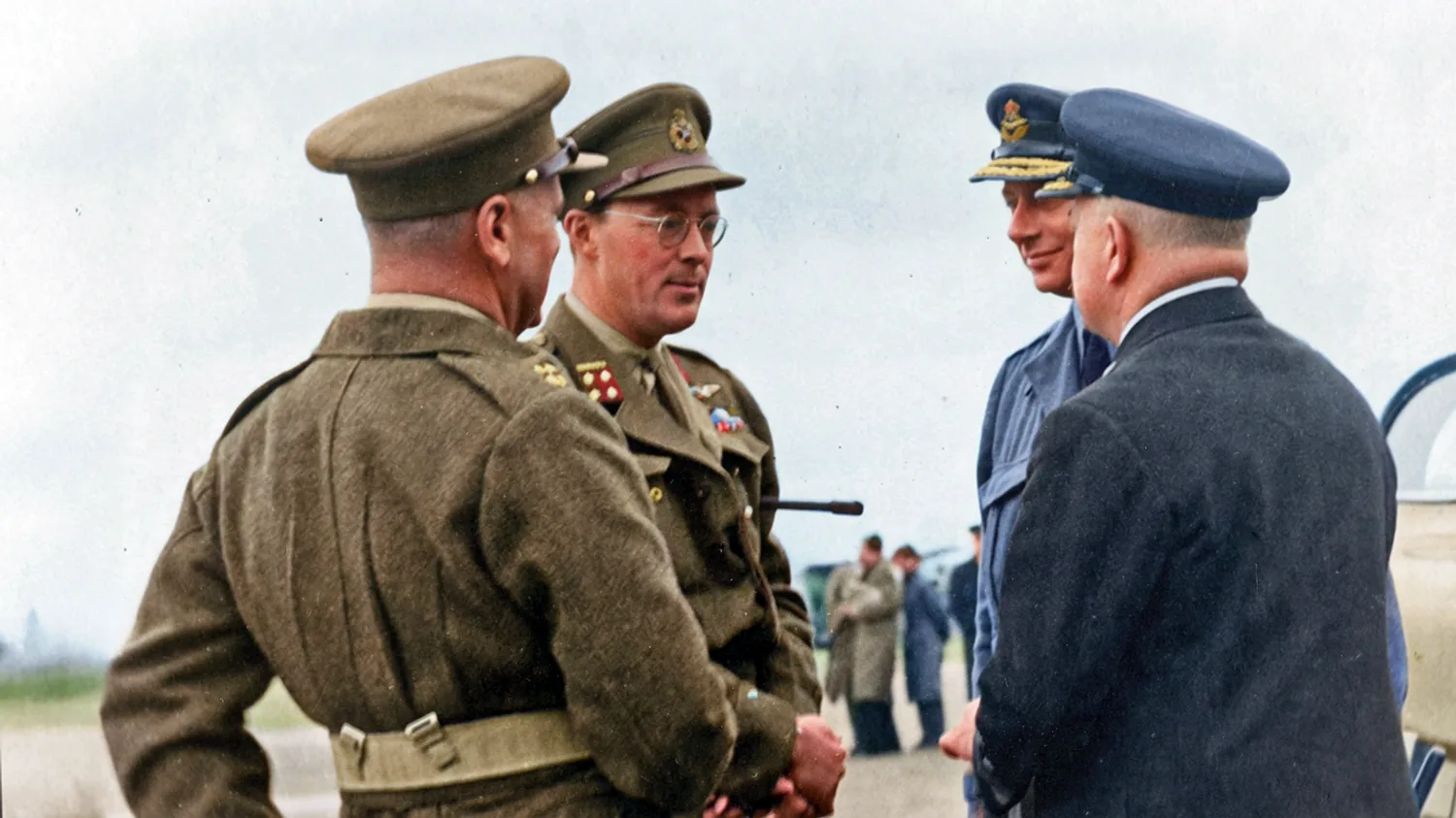
The Van Rouveroy and Bogaardt families, with Elly van Rouveroy-Bogaardt being Archie Bogaardt’s sister, had deep roots in Indonesia and found themselves at the heart of this transition. Bogaardt, mayor of Jakarta and a member of Van Mook’s staff, played an important role in the transfer. Documents, images and memories from both families help substantiate the stories Bob told about his experiences and about events in the turbulent years surrounding and following the transfer. Many senior civil servants and military officers disagreed with the course of events. Stories circulated about a shadow cabinet attempting to obstruct what was being imposed under international and Allied pressure.
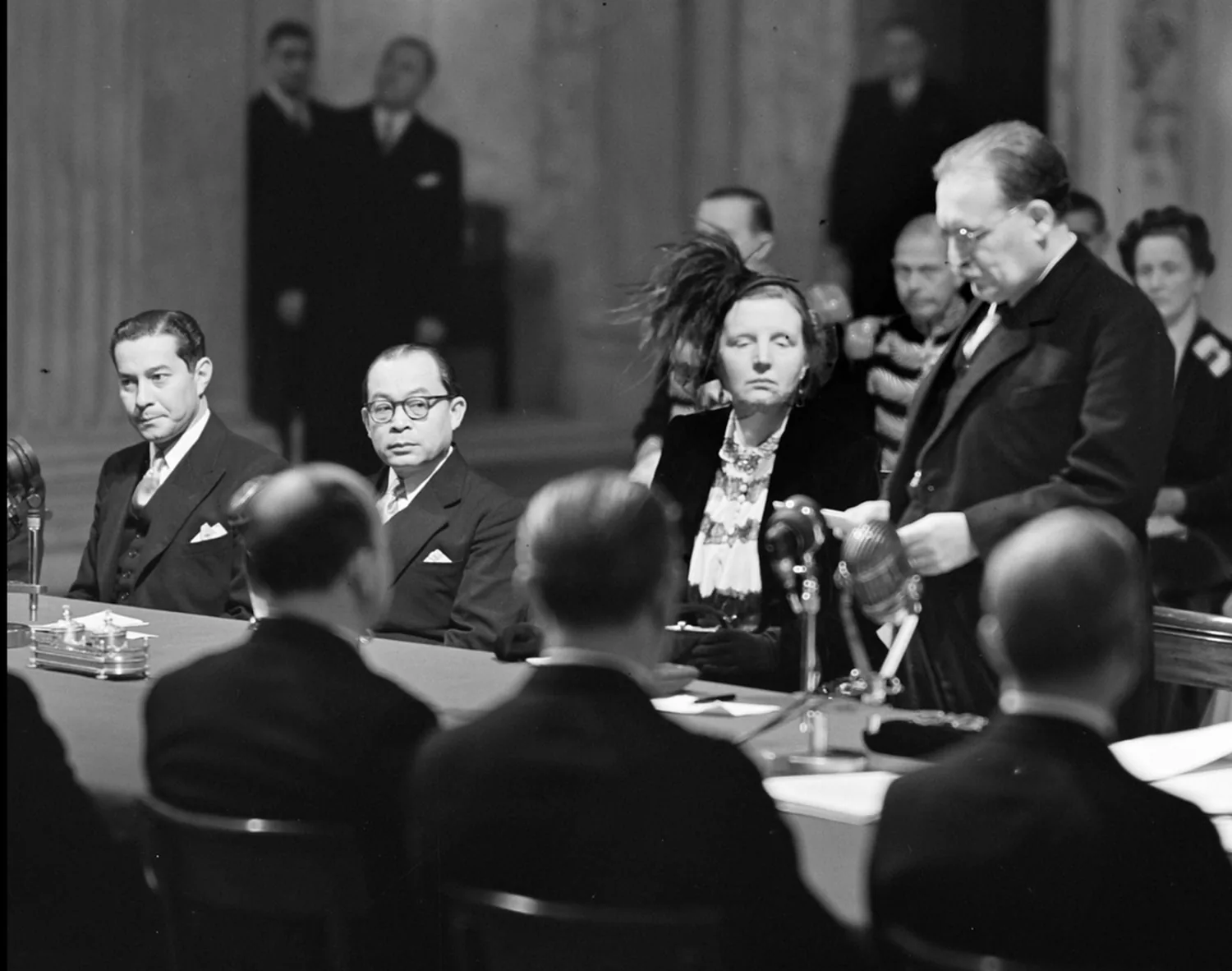
What happens to memories after war, life in the camps, loss and forced departure?
When does a memory become a story?
After a brief stay in the Netherlands, Bob returned to Indonesia in 1949 as a married man. There, working with and on the instructions of his uncle Archie Bogaardt, he is said to have become involved in arms transports for Captain Westerling. From the war years, Bogaardt knew of a weapons depot in the port of Priok near Jakarta. Bob is said to have moved matériel from there towards Bandung.
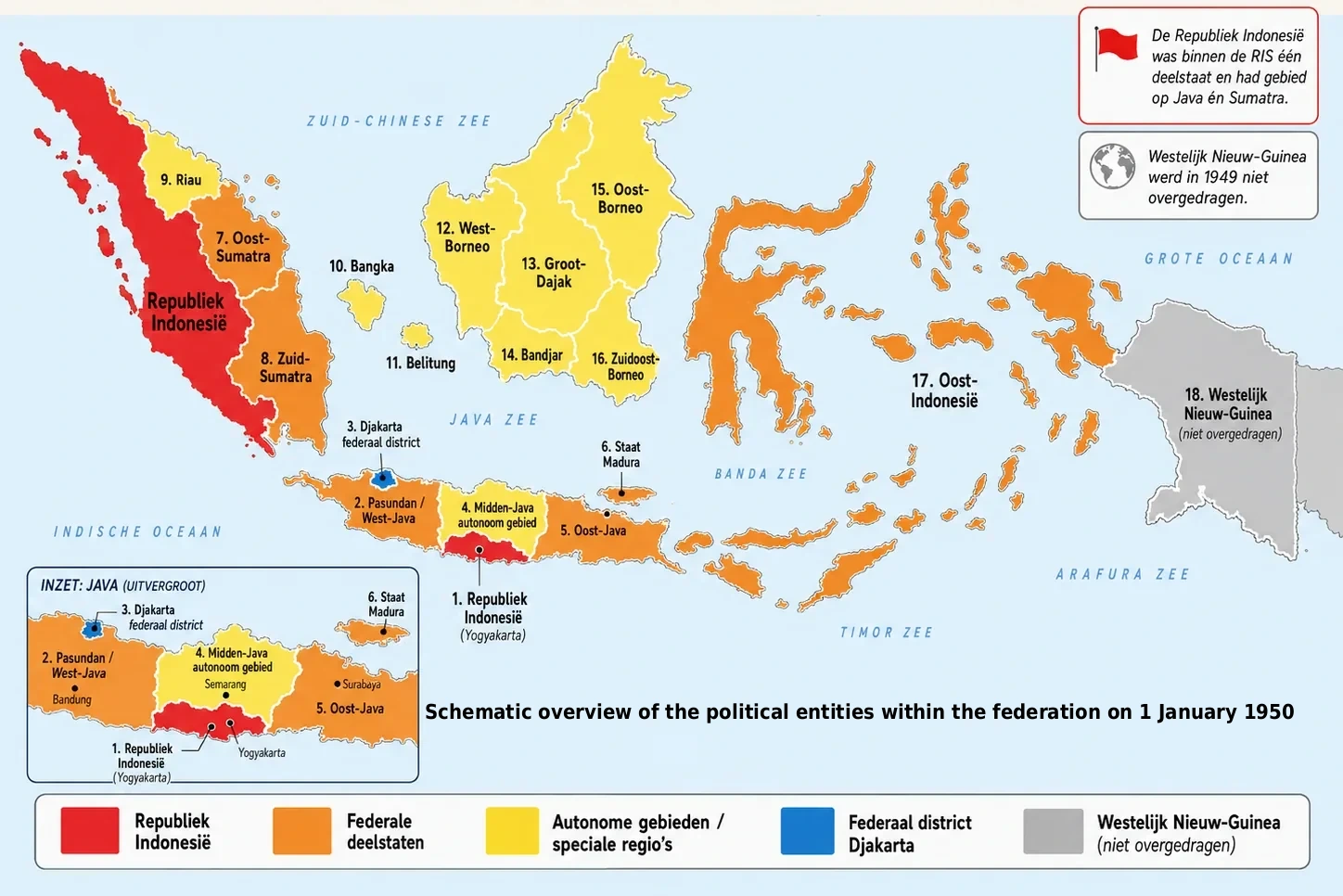
Behind this story lay the fear that Indonesia’s federal structure would quickly disappear and that territories in which the Netherlands still retained influence and interests would nevertheless be absorbed fully into the republic. For many Indo-Europeans and Moluccans who had sworn loyalty to the Crown, this was a threatening and hopeless situation. After the KNIL was dismantled, they were expected to join the revolutionary forces that had until then been their enemies. Westerling understood this and attempted to use his coup to force the federation to remain intact. Whether the weapons ever reached him remains uncertain.
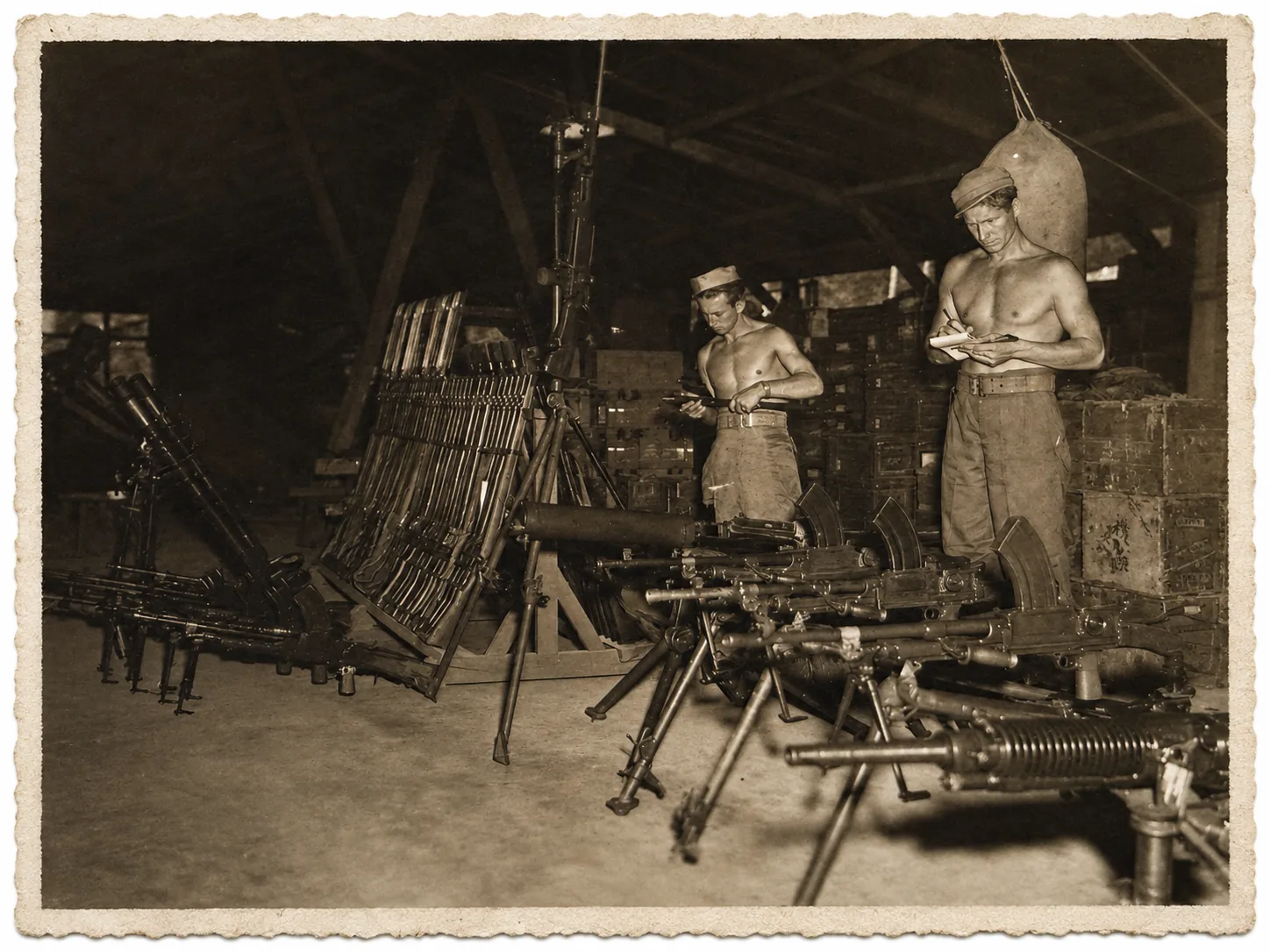
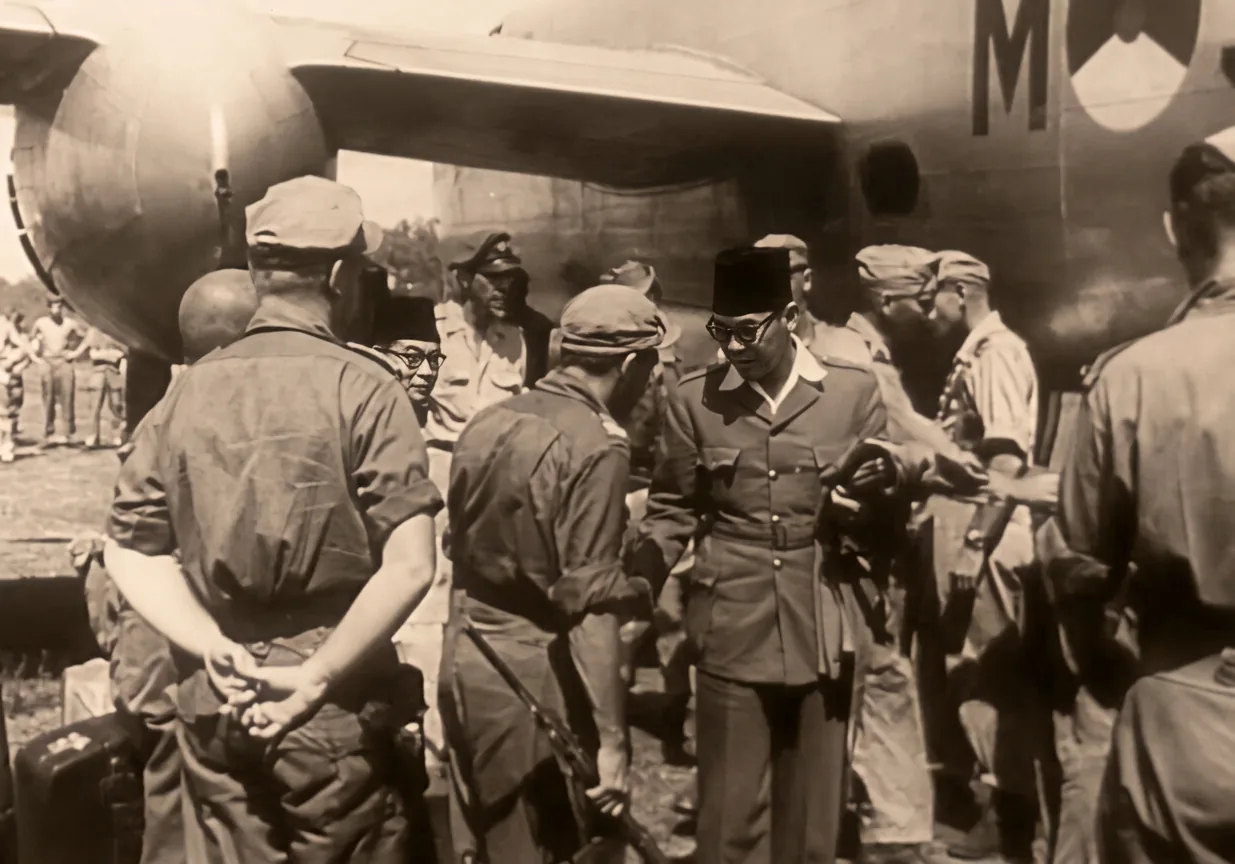
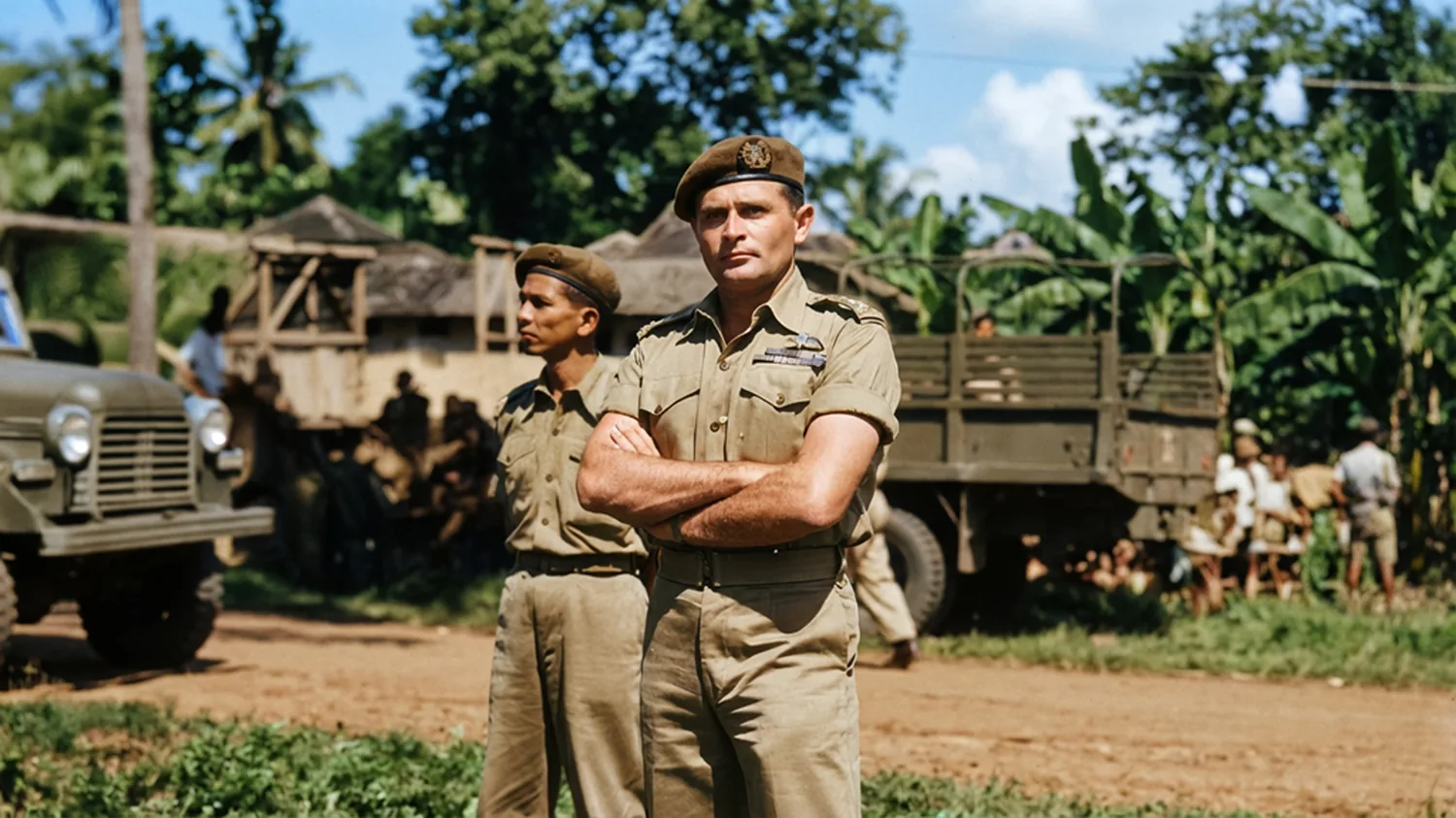
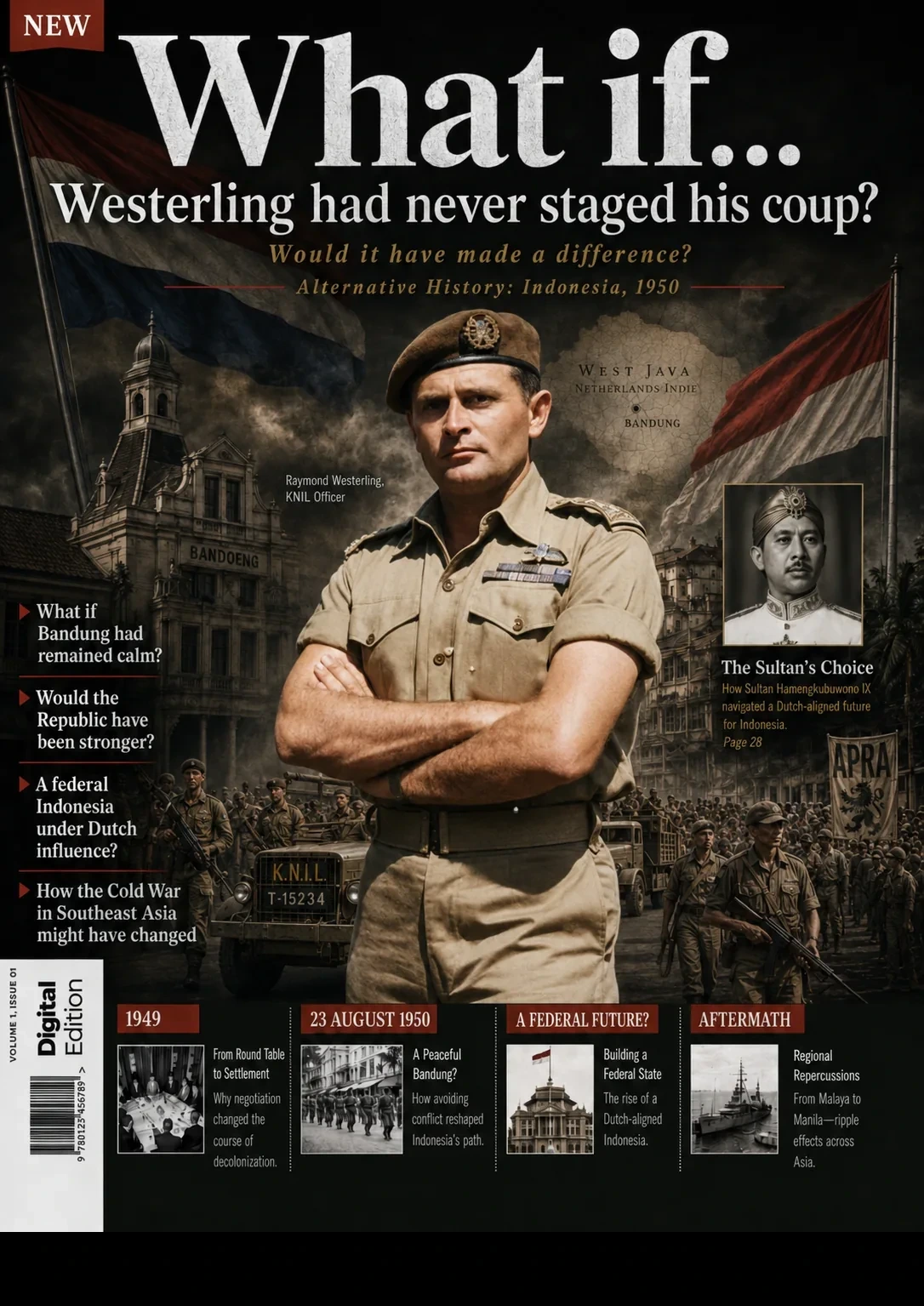
What if history had taken a different turn?
In a period when the war had only just ended and a new state was being formed, the future was anything but settled. Dutch people, Indo-Europeans and others who remained behind tried to find their place in a new reality. Everywhere, people imagined what might still be possible.
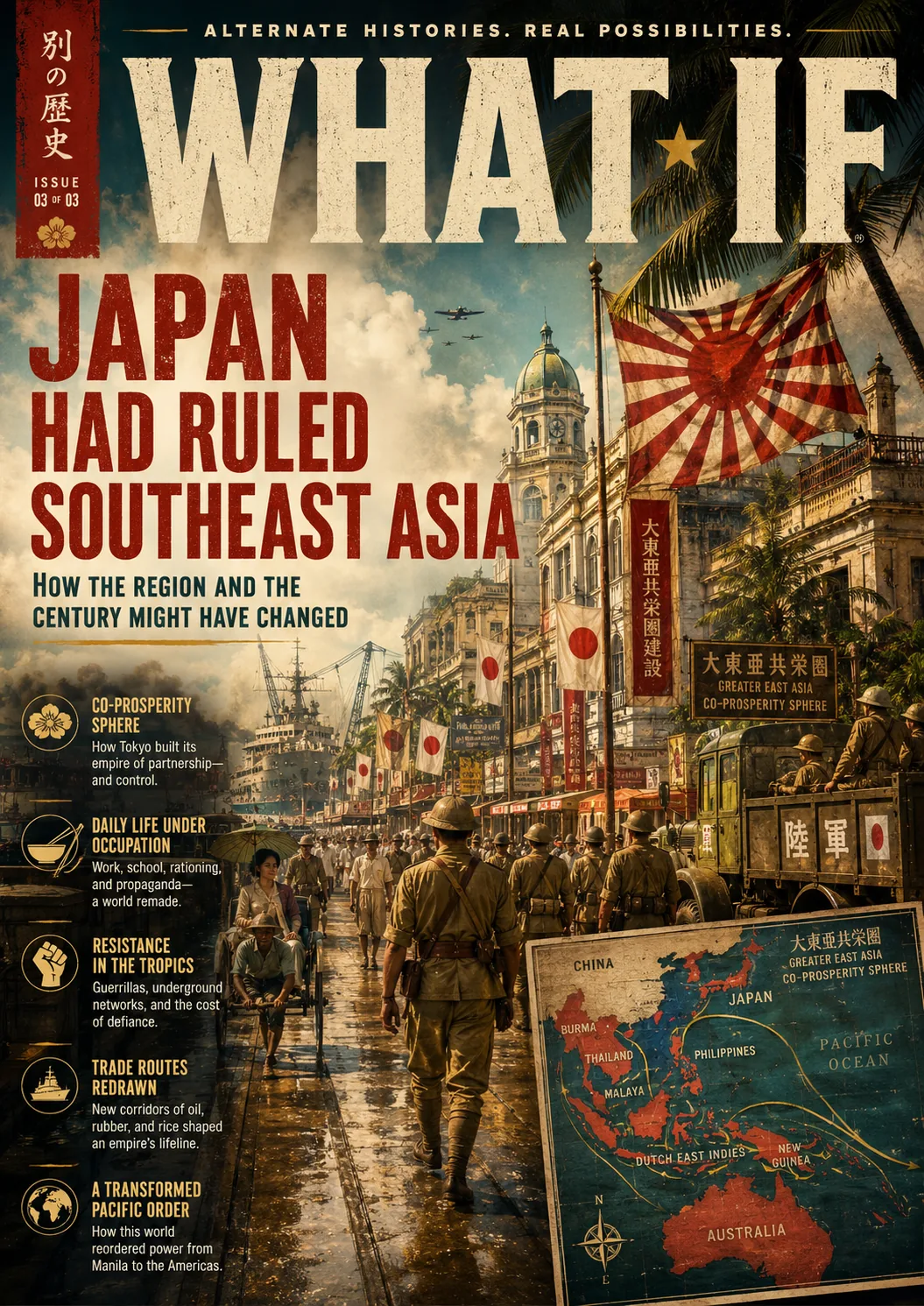
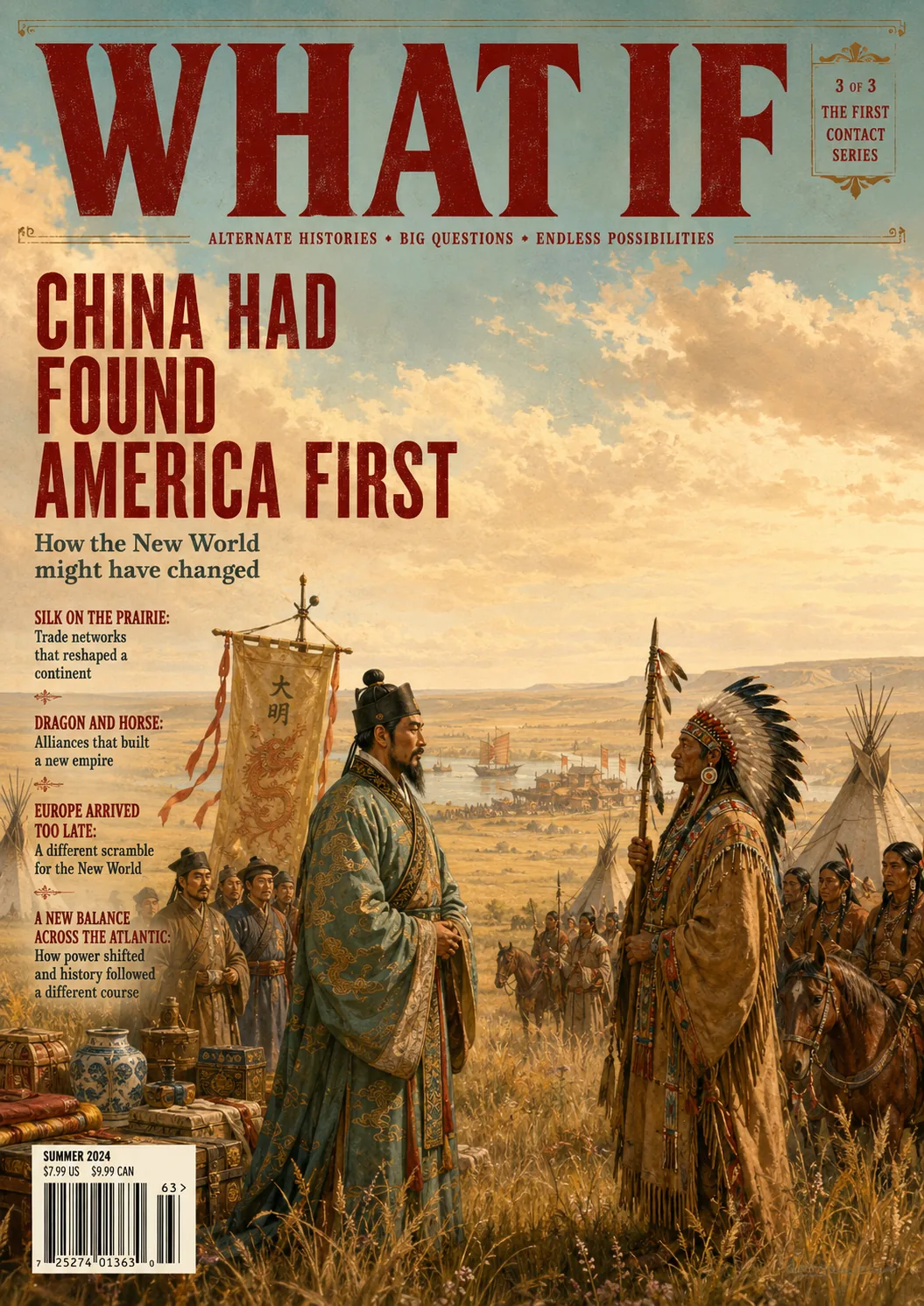
What if Westerling had succeeded? What if Japan had retained its grip on Southeast Asia? What if other powers had determined the course of history? Such questions continued to haunt the imagination of those who stayed behind.
1956: the Jungschläger affair
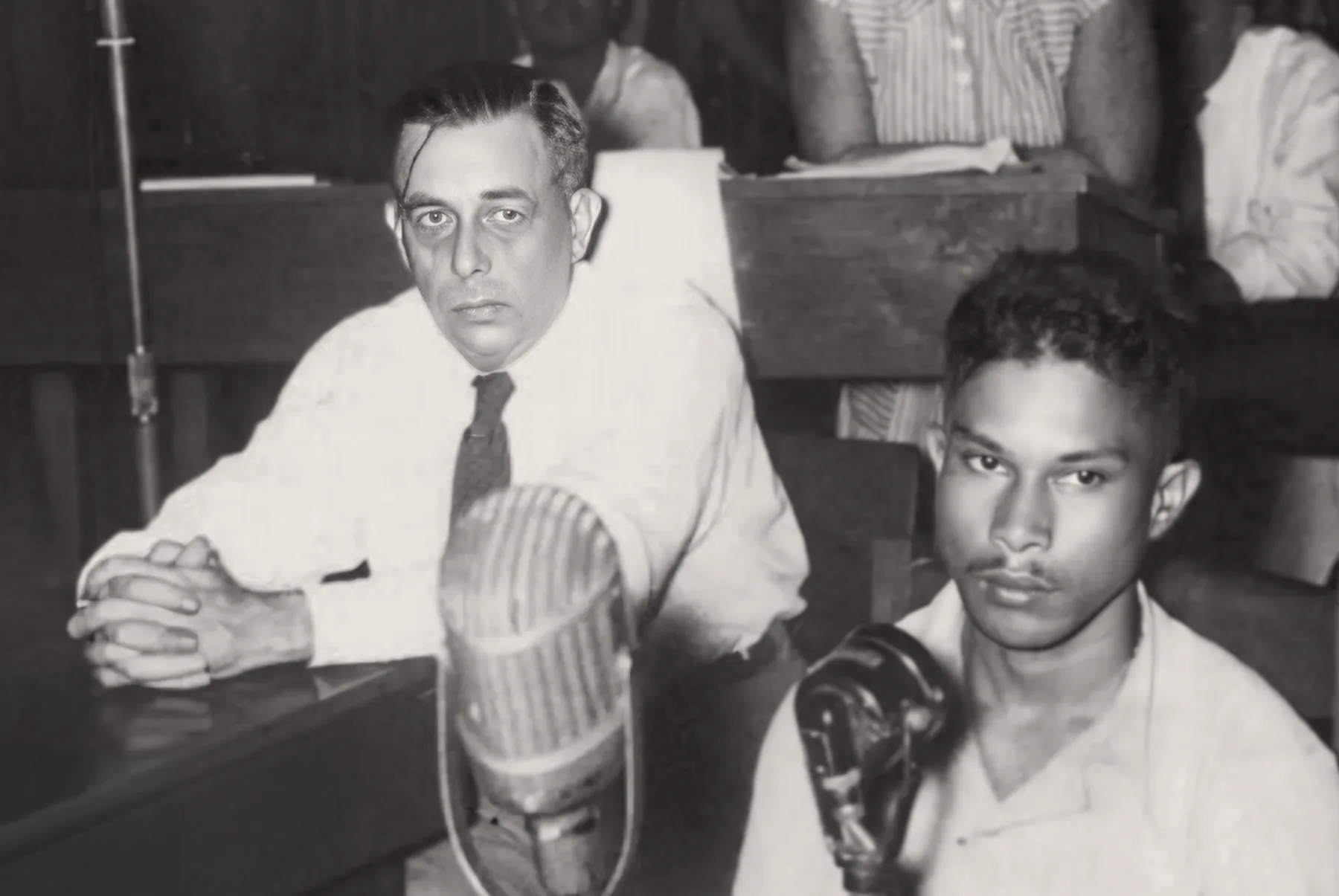
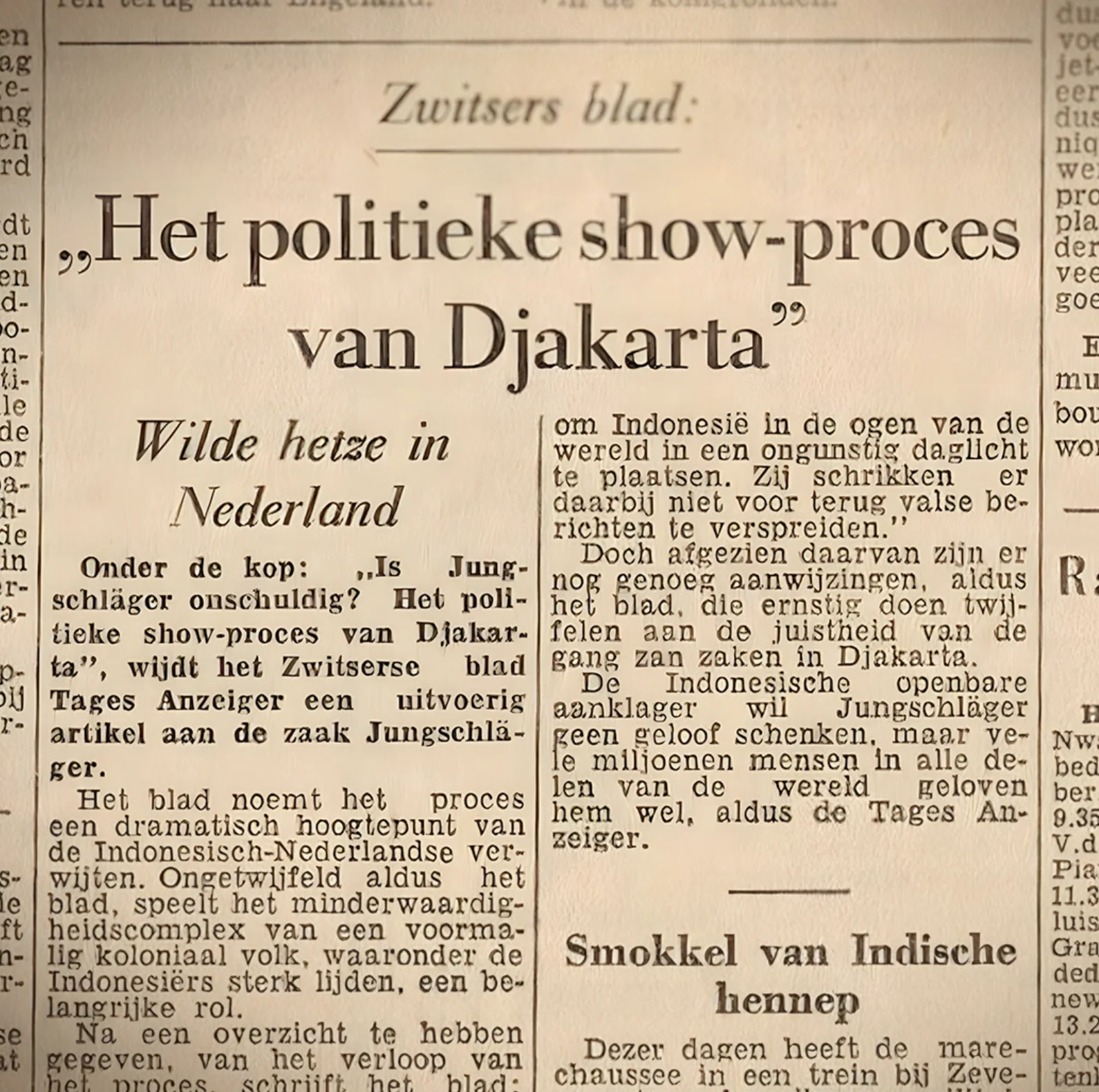
Remaining in Indonesia was not without danger. After independence, many Indonesians wanted the Dutch to leave the country. Jungschläger, who had remained in Indonesia to settle his affairs, was made a scapegoat in 1956 — and thereby a warning to Dutch people who stayed too long in the country. In a controversial trial, he was accused of conspiring against the Indonesian state. The death penalty was demanded; he died before the court could deliver its verdict.
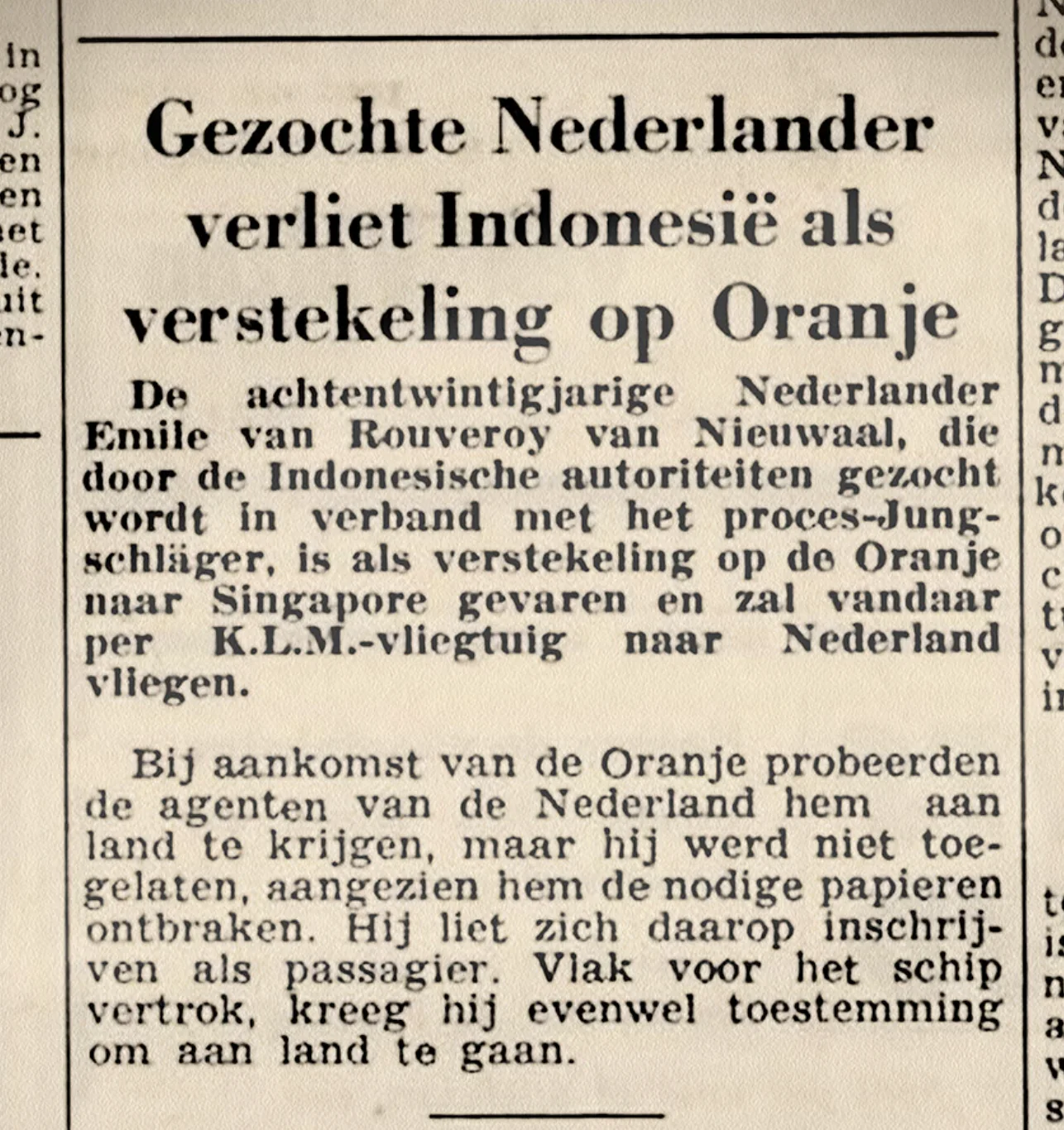
Bob, who had remained in Indonesia, also became involved in the Jungschläger affair. At that point, as he later told it, the situation became too dangerous and he had to leave in great haste.
The film
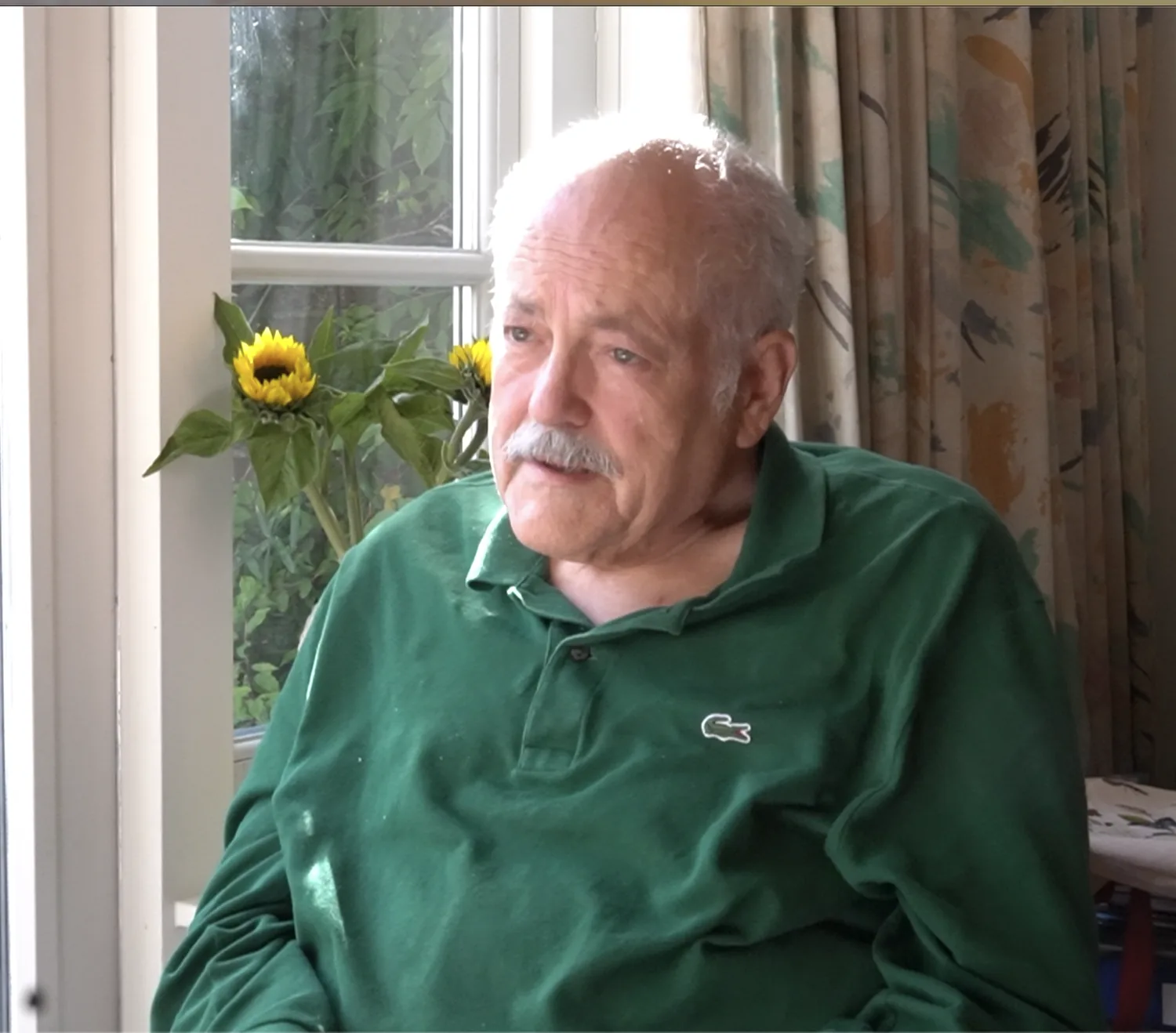
Frank van Rouveroy, Bob’s nephew, and Dorna, Bob’s daughter, exchange stories about what may have happened and test them against archival research. Did all of this really happen? Or were some stories told because the loss of country, mother and past was too heavy to bear, and because people wanted to believe they had tried to prevent it?
The film explores the boundary between fact and story. Bob eventually came to believe that Indonesians naturally wanted a country of their own — but reaching that understanding was a long journey.
How did their lives continue?
Archie Bogaardt later became mayor of Rijswijk. He helped his nephew Bob emigrate to Canada. Bob became a successful filmmaker there. After his retirement, he returned to the Netherlands.
He remained preoccupied with the past. His daughter Dorna made the film Rain in Nagasaki for the Humanist Broadcasting Foundation, about his return to Japan in 2000, where he confronted his former camp guards. The film had a profound impact within the Indo community. In doing so, he made a significant contribution to bringing the traumatic experiences endured by so many in the Japanese internment camps into the open.